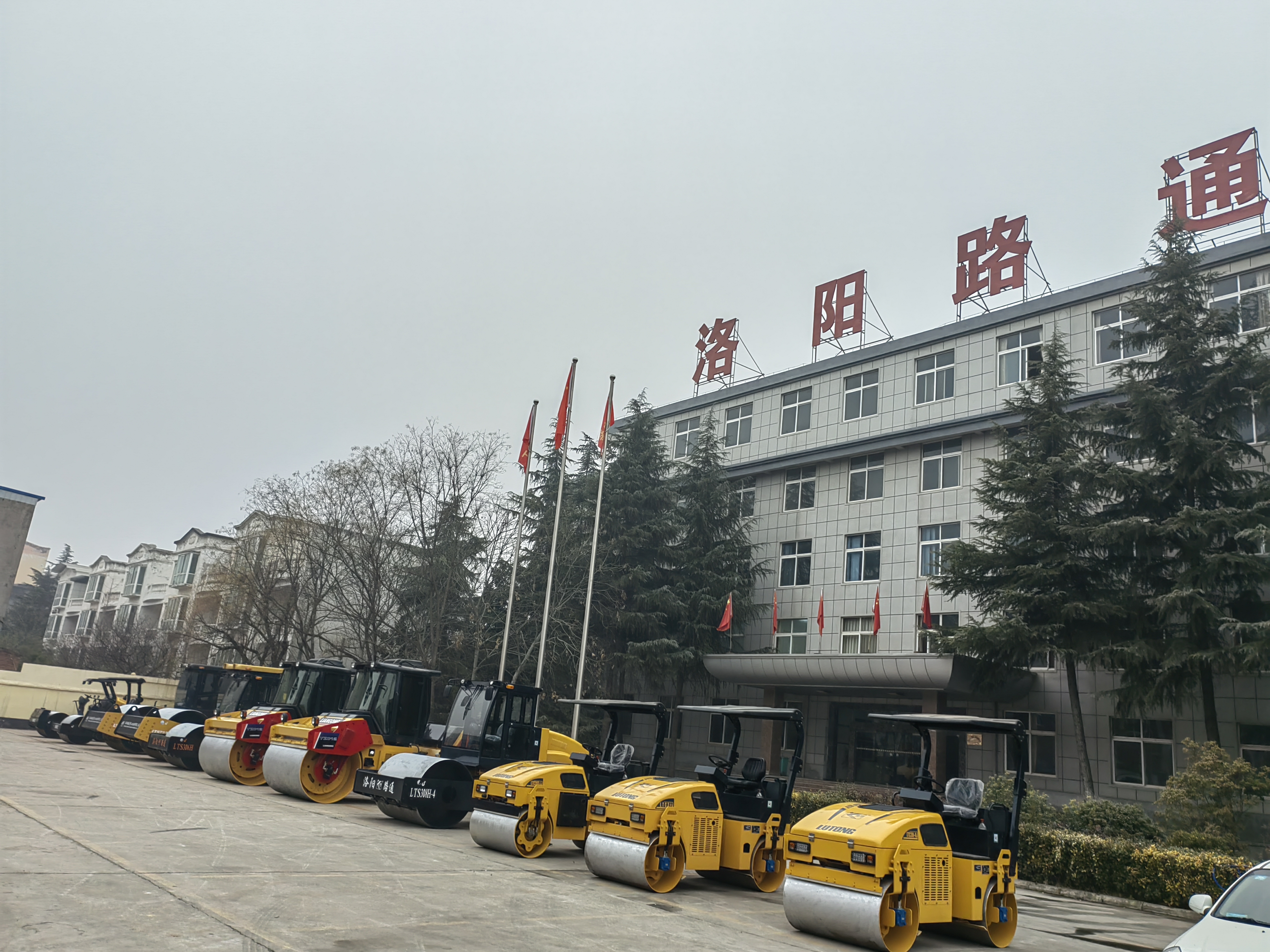



Lutong LTS208H 8-Ton Single Drum Vibratory Roller | Steering System Fault Analysis & Maintenance Guide
Lutong LTS208H 8-Ton Single Drum Vibratory Roller
Steering System Fault Analysis & Maintenance Guide
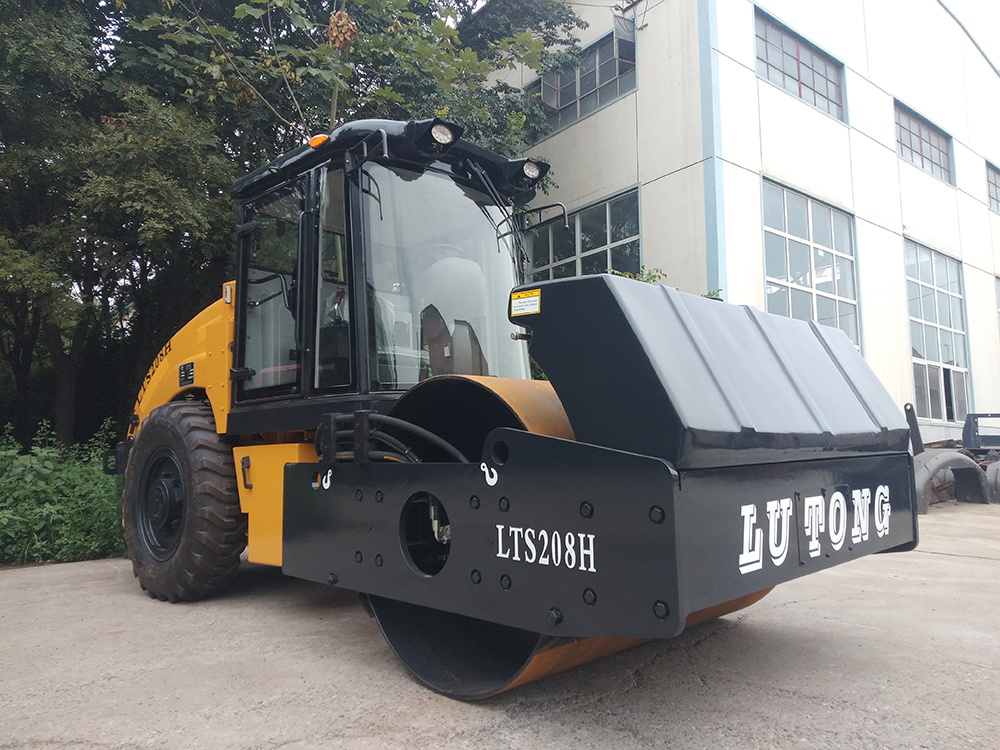
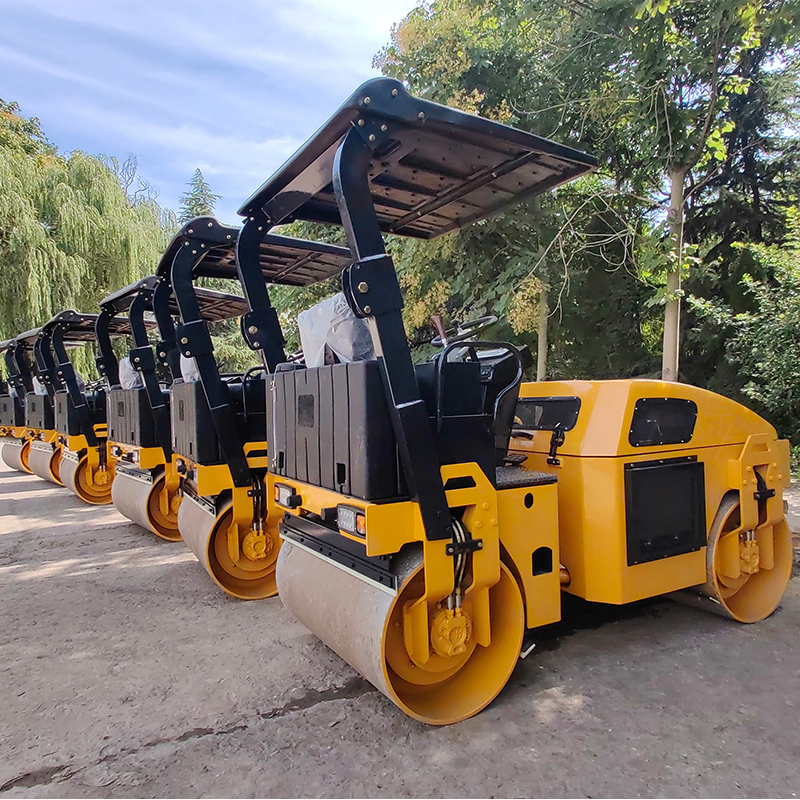
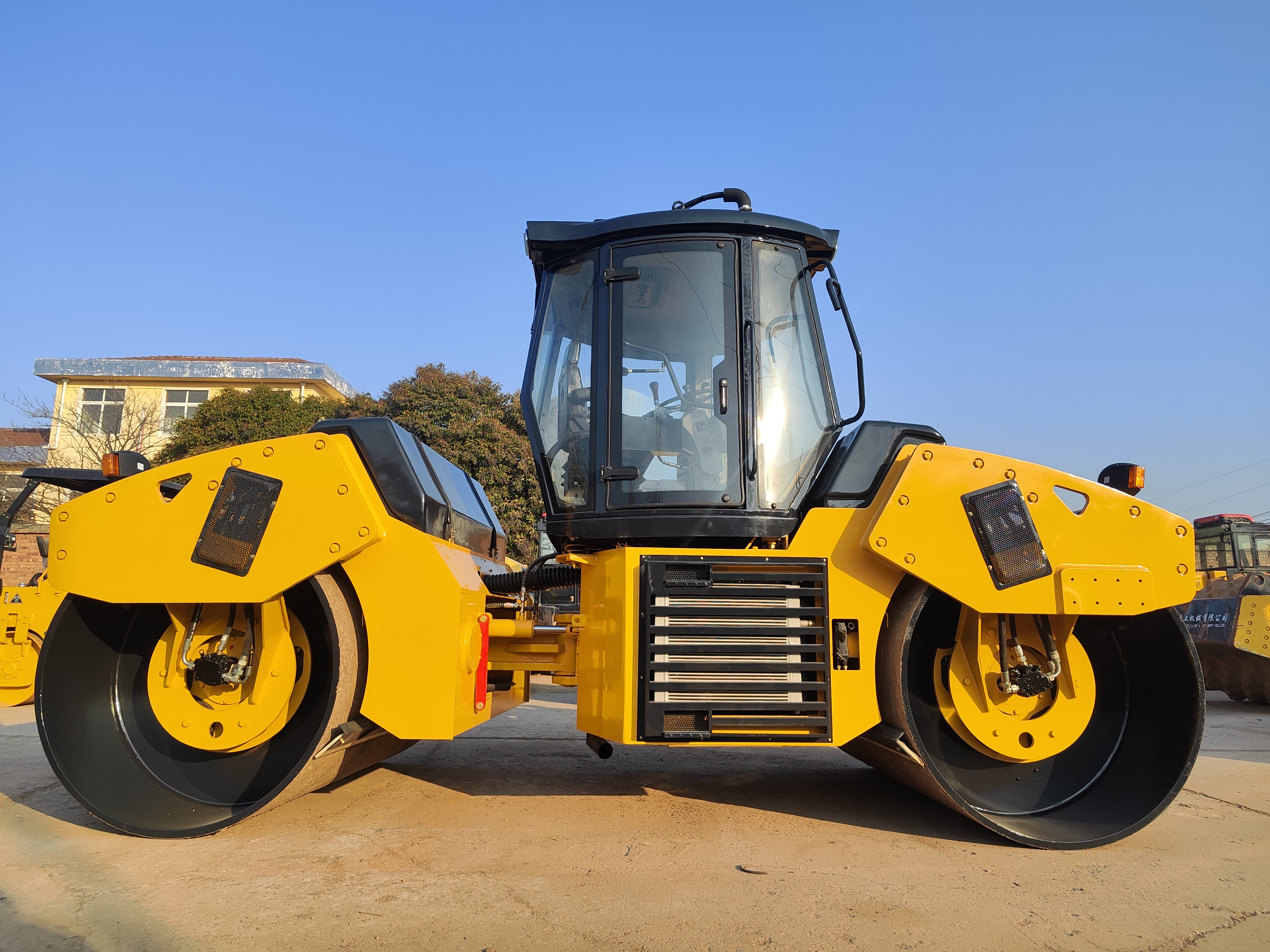
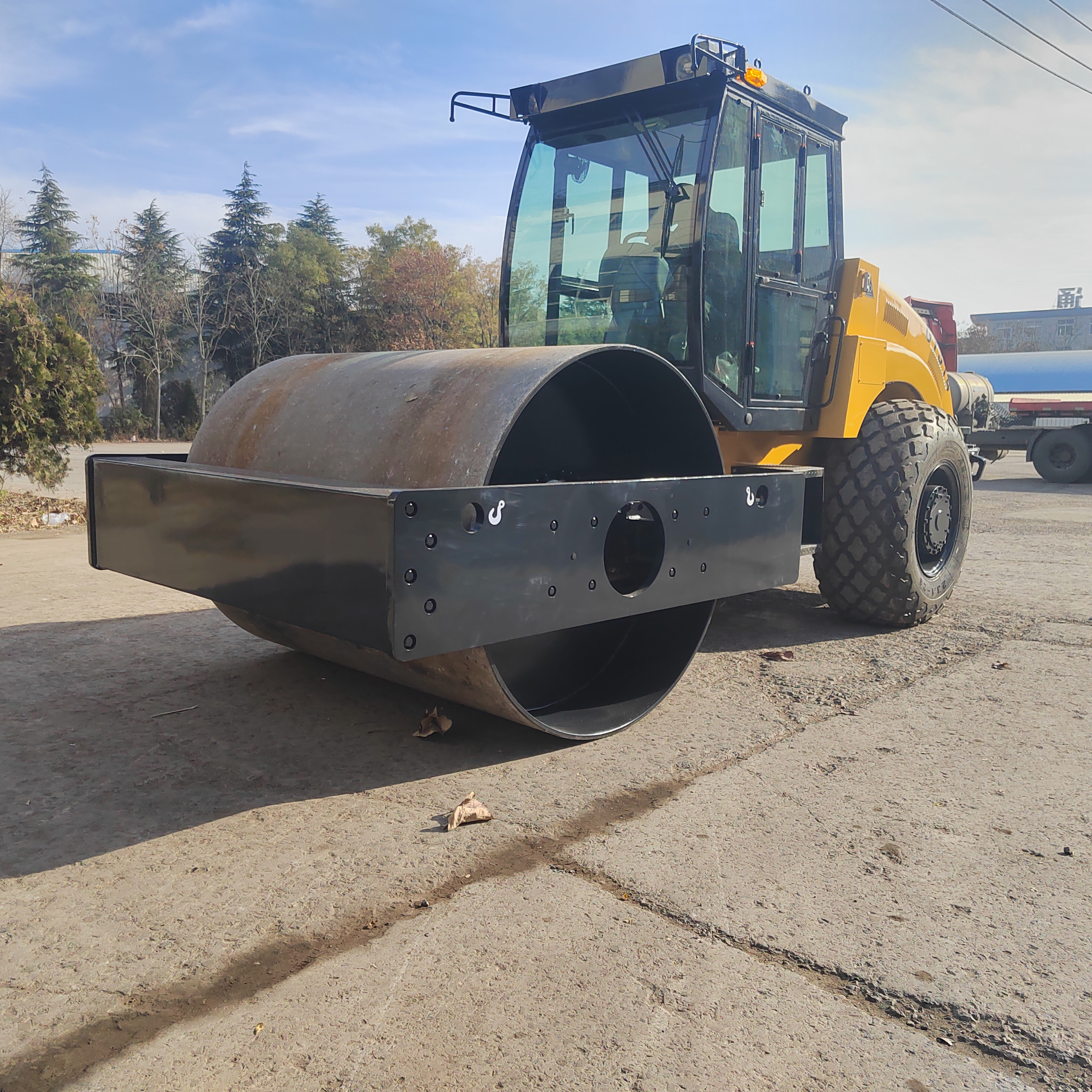
The Lutong LTS208H is a premium 8-ton full-hydraulic single drum vibratory roller, serving as a benchmark equipment for subgrade and pavement compaction projects. Adopting a streamlined and stylish appearance design, it features a compact overall structure and a low-center-of-gravity chassis, which greatly improves operational stability and trafficability. Equipped with a Cummins 4BT3.9 turbocharged diesel engine, the machine boasts sufficient power reserve and stable performance even in high-altitude and harsh working conditions. It adopts an advanced full-hydraulic control system, realizing hydraulic articulated steering, hydraulic vibration and one-lever infinitely variable speed control, ensuring convenient operation and reliable oil-cut braking performance.
With strong universal adaptability, this roller is perfectly suitable for compaction of non-cohesive materials such as soil, gravel and sand-stone mixtures. It is widely applied in highway subgrade and pavement construction, as well as foundation compaction of large-scale infrastructure including railways, airports, ports, docks and dams. Featuring high compaction efficiency, stable operation and low failure rate, it has become a cost-effective preferred choice for engineering construction worldwide.
The steering system is the core component that determines the maneuverability and operational safety of road rollers. The full-hydraulic steering system of LTS208H features precise control and sensitive response. However, long-term high-intensity operation may cause common failures. Below is the in-depth cause analysis and standardized maintenance solutions for four typical steering faults, helping users eliminate faults quickly, reduce downtime loss and extend equipment service life.
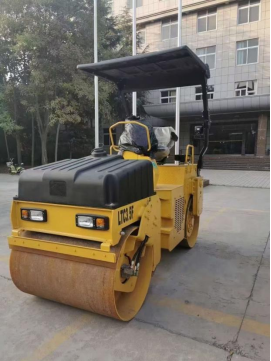 1. Steering Failure (No Steering Response)
Fault Phenomenon: No steering action after equipment startup; left and right steering functions completely fail, and the driving direction cannot be adjusted.
Core Causes
① Broken steering gear connecting pin: Long-term vibration and load impact cause fatigue fracture of the connecting pin, cutting off the steering transmission power; ② Damaged steering spring leaf: Deformation, cracking or failure of the spring leaf leads to invalid steering reset and transmission coordination; ③ Damaged steering pump: Severe wear or internal component damage of the pump body results in insufficient hydraulic power for steering.
Professional Solutions
Fully disassemble and inspect the steering transmission structure, confirm the fault position, and replace the original connecting pin, steering spring leaf or steering pump assembly in a targeted manner. Adjust the steering clearance after assembly to ensure smooth transmission and complete recovery of steering function.
2. Excessive Steering Turns & Insufficient Steering Torque
Fault Phenomenon: Increased steering stroke and obvious excessive steering turns, weak steering torque, delayed steering response, and insufficient steering power under heavy-load working conditions.
Core Causes
① Hydraulic pipeline leakage and damaged seals: Loose pipe joints and worn sealing rings cause hydraulic oil leakage and system pressure loss; ② Steering cylinder internal leakage: Damaged internal sealing structure of the cylinder leads to internal pressure relief and reduced hydraulic power utilization; ③ Worn steering gear rotor: Long-term rotor wear reduces displacement and hydraulic transmission efficiency; ④ Low steering valve pressure: Unstable valve pressure regulation fails to reach the designed working pressure; ⑤ Severe steering pump wear: Wear of pump gears and inner cavity causes insufficient oil supply pressure and flow.
Professional Solutions
Inspect hydraulic pipelines one by one, fasten loose joints, and replace all aging and damaged seals; replace cylinder sealing kits or the entire cylinder assembly for internal cylinder leakage; replace severely worn steering gear rotors individually, or the whole steering gear assembly if rotor wear exceeds the limit; precisely adjust the steering valve pressure to the standard designed value; replace worn gears for slightly damaged steering pumps, or the entire pump assembly for severe wear, so as to fully restore system pressure and steering torque.
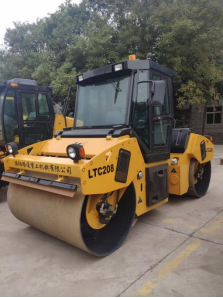
3. Slow & Laborious Steering
Fault Phenomenon: Stuck and slow steering response, laborious single-hand operation, and greatly reduced steering flexibility, affecting overall construction efficiency.
Core Causes
① Improper operation: Too low diesel engine speed during construction leads to insufficient hydraulic oil supply and weak power output; ② Severe steering oil pump leakage: Internal and external pump leakage causes excessive hydraulic pressure loss; ③ Poor lubrication of articulated bearings: Lack of lubricating grease in steering articulated bearings sharply increases friction resistance; ④ Abnormal axial clearance of articulated bearings: Too small axial clearance causes stuck rotation and excessive resistance.
4. Unstable Steering & Machine Vibration
Fault Phenomenon: Obvious body vibration during steering, unstable and offset steering track, and poor control stability.
Core Causes
① Low hydraulic tank oil level: Insufficient oil causes air suction of the oil pump, and system cavitation leads to vibration; ② Pipeline air intake: Cracked hydraulic pipes and damaged seals cause external air to enter the hydraulic system; ③ Accumulated air after long-term shutdown: Air separated from hydraulic oil accumulates at the top of the steering cylinder after long-time static parking, resulting in steering jitter.
Professional Solutions
Check the hydraulic tank oil level and fill with standard hydraulic oil to the rated scale; fully inspect hydraulic pipelines, repair cracked pipes and replace failed seals to eliminate air intake risks; after startup, perform multiple full-range left and right in-situ steering cycles to completely exhaust accumulated air in the cylinder and hydraulic system, and restore steering stability.